 The Hawaii real estate market, which includes the Outer Islands in addition to the larger portion of the market on Oahu, continues to face declining home sales and prices despite suggestions that the worst part of the downturn may have past. All of the islands, especially Oahu real estate listings ...
Real Estate
April 28, 2011
Hawaii Real estate Market Update & Outlook
Posted in
Real Estate,
Real Estate Markets
no comments yet
Jan. 24, 2011
Laguna Beach real estate market
 The Laguna Beach real estate market, which consistently ranks among the most expensive and exclusive components of the larger Orange County housing market, saw some encouraging figures in the most recent tracking periods even as the rest of the region saw some difficulties. According to statistics provided by MDA DataQuick ...
Posted in
Real Estate,
Real Estate Markets
Jan. 20, 2011
Soquel real estate market
 The Soquel real estate market, found in the midst of Santa Cruz County, saw a decrease in the number of home and condo sales in the month of November, as the commercial sector continued to suffer from the adverse effects of the recession. According to a report from the Santa ...
Posted in
Real Estate,
Real Estate Markets
Jan. 19, 2011
Dana Point real estate market
The Dana Point real estate market, which is part of the larger Orange County, California housing market, saw some negative news in recent weeks. According to statistics reported by the Orange County Register, the number of homes for sale in the region saw a drop in available properties during the ...
Posted in
Real Estate,
Real Estate Markets
Jan. 16, 2011
Myrtle Beach real estate market update
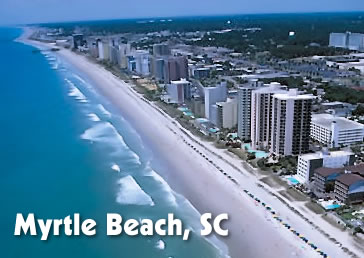 The Myrtle Beach real estate market had an oval improvement in 2010. The number of sales in 2010 were drastically up and the declining prices seemed to be slowing. SFR sales were up over in 2010 by 12 percent compared to 2009. Myrtle Beach condo sales rose a whopping ...
Posted in
Real Estate,
Real Estate Markets
March 2, 2010
Scottsdale real estate market update
 Scottsdale, a relatively large city located directly adjacent to the larger metropolitan center of Phoenix, continues to face a foreclosure-driven buyer's market in the first quarter of two thousand ten. According to a February 11, 2010 article in the Phoenix Business Journal, "Close to half of the existing home ...
Feb. 1, 2010
St Louis Real Estate Update
 The 11-county St. Louis real estate areas achieved more than 29,000 closed residential real estate sales transactions for previously occupied homes in 2009, according to real estate statistics and data compiled by the St Louis Association of Realtors and the St Louis Post-Dispatch. Real estate sales in the market ...
Jan. 23, 2010
Sacramento real estate market update
Like many other cities, particularly highly populated ones in California, Sacramento's real estate market suffered in 2008 and 2009 as the effects of the U.S. recession, financial crisis and housing market bubble burst began to set in. Since the declines began, however, the city has seen light at ...
Posted in
Real Estate,
Real Estate Markets
Jan. 21, 2010
San Jose Real estate market update
Like many high-priced real estate areas, the San Jose region has seen its housing market tank over the past few years as the housing market crash sunk home values and left many underwater on the mortgages or in foreclosure. Though the market has yet to fully recover and is still ...
Posted in
Real Estate,
Real Estate Markets
Jan. 3, 2010
Frederickburg, MD Real Estate Update
 A popular suburban neighborhood in the Washington, D.C., area, Fredericksburg, Maryland, has seen its share of suffering from the larger U.S. recession. Real estate in Fredericksburg has suffered, along with employment, as businesses and residents struggle to keep up with declining home values and the tough economic environment ...

Posted in
Real Estate